Cheese Souffle
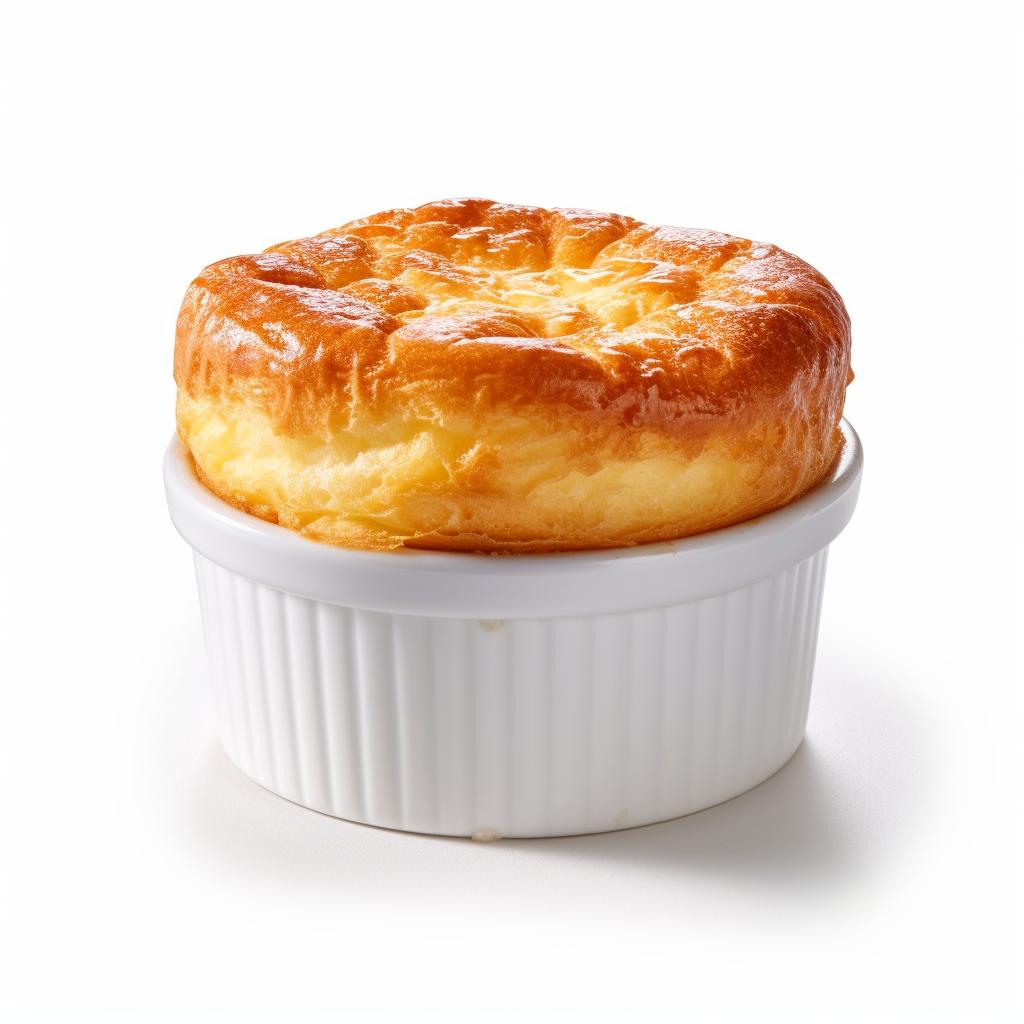
Cheese Souffle is a classic yet decadent dish to indulge in, perfect for the aspiring home chef to prepare and serve. This French delight is recognized by its puffy, risen appearance, golden outside, and a cheesy and airy inside.
Creating a cheese souffle at home involves a melody of ingredients: eggs, flour, milk, and of course, cheese. Baking the mixture results in a velvety creation that's crisp on the outside and soft on the inside. It's a perfect centerpiece for a special meal or a satisfying comfort food for a relaxed family dinner.
14%
CARBS
51%
FAT
35%
PROTEIN
Cheese Souffle FAQ
Preparing a Cheese Souffle revolves around mastering a few key techniques: the bechamel sauce, the egg whites, and the baking. Missteps in these areas often lead to deflated or unrisen souffles.
People usually go wrong with their souffle either by not whisking their egg whites properly, or by not incorporating them into the base sauce carefully, causing the souffle to not rise. A third issue usually comes up when opening the oven door whilst baking, causing the temperature to drop and the souffle to collapse.
Maximizing flavor is all about quality and the right combination of ingredients. Use top-notch cheese, and consider adding some spices or herbs for an interesting twist.
A not-so-well-known tip is to run your thumb around inside the rim of the dish before baking, causing the souffle to rise evenly.
In conclusion, cooking a successful Cheese Souffle requires precision, judicious ingredients' selection and careful handling. With some practice and attentiveness, you can master this French classic at home.
Why isn't my Cheese Souffle rising?
What type of cheese should I use for my Cheese Souffle?
How can I prevent my Cheese Souffle from collapsing?
Can I use an electric mixer to whisk my eggs for the Cheese Souffle?
Why does my Cheese Souffle have a heavy or dense texture?
How much should my Cheese Souffle rise in the oven?
Can I prepare Cheese Souffle ahead of time?
What other flavors can I add to my Cheese Souffle?
Why did my Cheese Souffle deflate as soon as it came out of the oven?
Should I grease my dish before pouring the Cheese Souffle mixture in?
Health Info
Macros
6g
CARBS
23g
FAT
15g
PROTEIN
Allowed on these diets
LOW FAT
HIGH CALCIUM
VEGETARIAN
Contains these allergens
MILK
EGGS
WHEAT

Download Cooklist


Get the app to track inventory, save recipes, build meal plans and order groceries from local stores.
Scan to download